Sept. 8, 2025
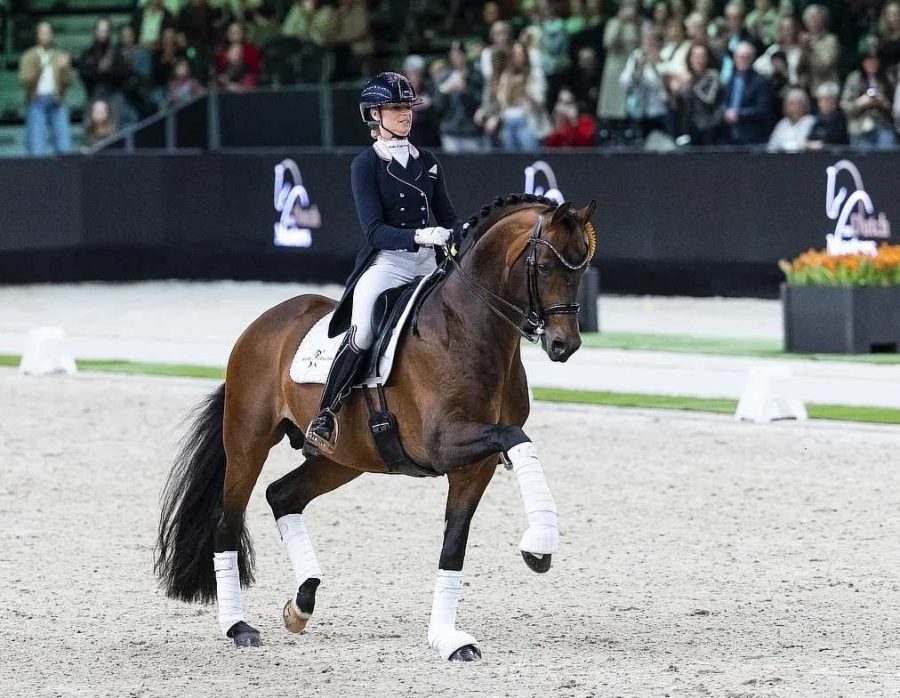
US Equestrian is publishing a series of “Horse Welfare Guidelines” aimed at improving physical and mental well being of horses in training and competition.
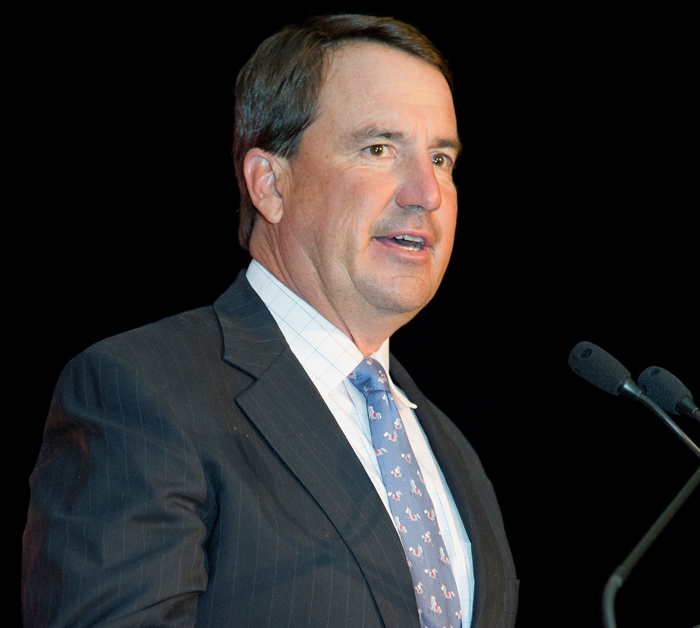
The guidelines were developed by USEF Chief of Sport David O’Connor following the decision by the federation expanding outside show grounds action of unethical treatment of horses.
The guidelines outline examples of horse and athlete behavior that fall into one of three zones: green (acceptable or horse friendly), yellow (cautionary or in need of monitoring), or red (in need of intervention or unacceptable).
David based the guides on a similar system used by the German Equestrian Federation and were described by the US Federation as “not rules, but are educational tools designed to help participants take in the full picture in front of them and determine whether they need to continue to observe, report, or intervene.”
The American Association of Equine Practitioners has come out in support of the guidelines.
“I am very excited about this initiative,” said Dr. Tracy Turner, president of the AAEP. “We support a humane and ethical partnership with horses for recreation, sport, and competition. Working together, we can make a difference for the well-being of our horses.”
A new “Protecting Horses” web page has been set up on USEF.org containing a slideshow and the start of an ongoing video series titled “Know the Signs.”
The slideshow explains guidelines that apply to a horse’s way of movement and appearance, head and neck position, mouth, plus the way of riding and training, and the use of equipment.
More videos in the series will be published this fall.
Webinars for trainers, coaches and riders are planned to help them better understand the guidelines. A session for trainers and coaches is scheduled for Oct. 6, and for riders Oct. 7.
Licensed officials have been briefed on the guidelines and know the options they have available to advise, caution, or formally warn someone they see acting in the red zone. When the situation warrants, they have the power to issue verbal warnings, recorded warnings, or yellow card warnings, and to disqualify or eliminate someone who is mistreating a horse. Members can also report treatment they witness that falls in the red zone. Reports from members or licensed officials will be fully investigated and could result in penalties from USEF.
The link is protectinghorses@usef.org.